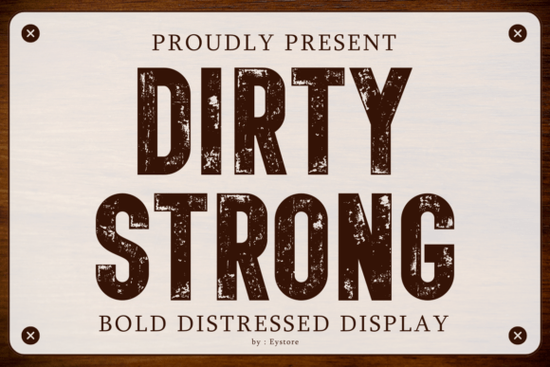
If you work on vintage-style designs, streetwear graphics, or rugged branding, you already know that the right typeface can make or break a project. Dirty Strong Font is a bold, distressed sans-serif display typeface built for exactly this kind of work. It carries an authentic worn, eroded texture that gives designs a raw, industrial character the kind you usually only see on hand-painted warehouse signs or faded factory walls.
Whether you're designing t-shirts, tote bags, coffee packaging, or automotive posters, this typeface gives you that gritty, masculine look without hours of manual distressing. Let's break down what makes it useful, who it's for, and how to get the most out of it.
What Does a Distressed Display Font Actually Look Like?
A distressed font has intentional rough edges, scratches, or texture built into each letterform. Instead of looking clean and polished, it mimics the appearance of ink bleeding on old paper, paint chipping off metal, or rubber stamps that have been used hundreds of times.
The dirty distressed style in particular leans into heavy erosion and bold weight. The letters are thick and wide, so they hold up at large sizes on posters, signage, and apparel. The texture doesn't disappear when you scale up it actually looks more natural the bigger you go.
Who Should Use This Kind of Font?
This style works well for a specific set of creative needs. Here's who typically gets the best results:
- Print-on-demand sellers designing t-shirts, hoodies, and hats with a vintage workwear or streetwear feel
- Small business owners creating branding for coffee roasters, barbershops, craft breweries, or mechanic shops
- Graphic designers working on event posters, album covers, or band merch
- Crafters and hobbyists making stencils, signs, or iron-on vinyl projects
- Label and packaging designers looking for bold lettering on product boxes or pouches
If your audience expects something rugged, strong, and unapologetically bold, this type of font fits the brief.
How Is It Different From a Regular Bold Font?
A standard bold sans-serif is clean and smooth. Display typefaces like Dirty Strong are designed for headlines and visual impact, not body text. What sets a distressed display font apart is the built-in texture. You don't need to apply grunge overlays or layer effects in Photoshop the roughness is already part of each glyph.
This saves time during production and keeps the look consistent across every letter. For sellers running multiple designs on platforms like Etsy or Redbubble, that kind of reliability matters.
What Kinds of Projects Pair Well With This Font?
Here are some practical use cases where this font style shines:
- T-shirt graphics bold slogans, gym wear phrases, or retro brand logos
- Tote bags and merch especially for markets, craft fairs, and streetwear drops
- Warehouse and industrial signage directional signs, motivational quotes for workshop walls
- Coffee and food packaging bag labels, sleeve designs, and menu headers
- Automotive and moto posters race events, garage branding, or custom decal mockups
- Social media graphics bold Instagram posts, YouTube thumbnails, or story headers
Pair it with a clean, lightweight sans-serif or a simple handwritten style for contrast. For example, if you want something playful to go alongside it, a font like Summer Groovy could balance out the heaviness. Or, if you need a fun doodle-style option for a different project, check out Oopsy Doodle for a lighter creative direction.
Does It Work for Both Print and Screen?
Yes. Distressed display fonts like this one are versatile across both print and digital. On screen, the texture reads well at poster sizes and in social media graphics. In print, the grit comes through nicely on paper, cardboard, and fabric especially with DTG or screen printing methods.
Keep in mind that at very small sizes (under 14pt), the distressed details may get lost or look muddy. Use it for headlines, titles, and large-format text, not for paragraphs or fine print.
Quick Tips for Working With Distressed Fonts
- Use high contrast backgrounds. Light text on dark surfaces (or vice versa) makes the texture pop.
- Don't overdo the effects. The font already has character adding drop shadows, bevels, and gradients on top can make it look cluttered.
- Test at actual size. Always preview at the size it will be printed or displayed to make sure the details hold up.
- Pair with simple fonts. A clean secondary font for subheadings or body text keeps the design readable.
- Check licensing. Make sure the font license covers your specific use commercial POD, client work, or personal projects.
Ready to Try It?
If you're working on a project that needs strong, worn-in typography with real character, the Dirty Strong Font is worth adding to your toolkit. Here's your next step:
- Browse the full font listing and preview all the characters
- Download a test file and try it in your current project
- Pair it with one or two complementary fonts to see how it works in a full layout
- Check the license to confirm it fits your intended use
Starting with one strong display font and building your design around it often leads to cleaner, more focused results than stacking effects on a generic typeface. Give it a try and see how it fits your next project.
Get Started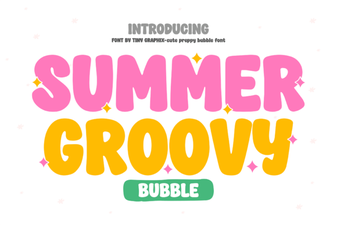 Vibrant Summer Groovy Fonts for Your Design Projects
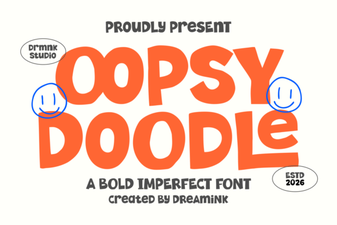 Oopsy Doodle Font: Fun Hand-Drawn Style for Creative Projects
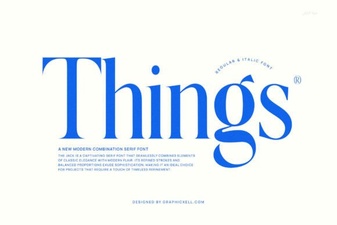 Things Font: a Minimalist Typeface for Modern Design Projects
 Elegant Wedding Infinity Monogram Font for Timeless Designs
 Butterfly Inside Font Free Download – Decorative Display Typeface
 Siblings Font Free Download - Beautiful Script Typeface